A note from supply-chain veteran Jonathan Treiber reframes a question hospital materials-management teams ask every contract cycle, and usually answer wrong: what is the actual cost of the cheaper product?
The purchase-order price, Treiber writes, is the easy number to compare. The harder one is what happens after the PO — how often the product needs to be replaced, how much it adds to nursing workload, what downstream clinical or workflow cost it creates. A cheaper-per-unit item that turns over twice as fast, or that adds two minutes to every change-out, is not cheaper.
Four factors typically determine real cost-in-use:
- Consistency and clinical trust. Products that behave inconsistently erode clinician confidence and prompt workarounds.
- Durability and replacement cycle. Every replacement is a labor cost, not a free swap.
- Workflow impact. A low unit price that adds labor at the bedside is a wash, at best.
- Service and support. Training, response time, fill rate, and warranty handling all show up in operational metrics that the materials-management line item does not capture.
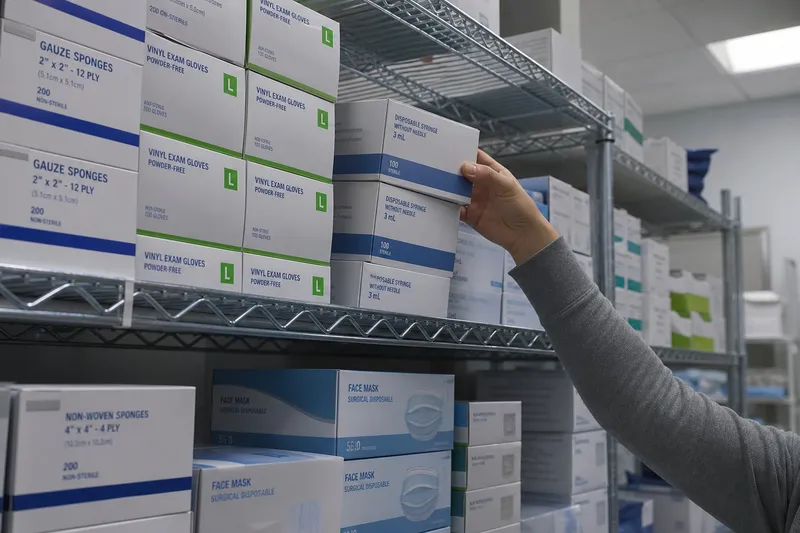
His conclusion is operational, not ideological. In true commodities — surgical tape, gauze, syringes, basic earloop masks — private-label is usually the right call. In categories where the product affects mobility, positioning, skin integrity, comfort, or safety, a unit-price-only decision has a way of resurfacing later as longer length-of-stay or a pressure-injury readmission.
Materials management knows this. The pressure to hit the quarterly savings target sometimes wins anyway — and the downstream cost lands on a different budget line, where nobody is looking.
Source: Jonathan Treiber, supply-chain analysis, May 2026.
Comments
Be the first to comment.
Thanks — your comment is in the queue. An editor reviews comments before they appear. If yours is on point, you'll see it here within a few hours.