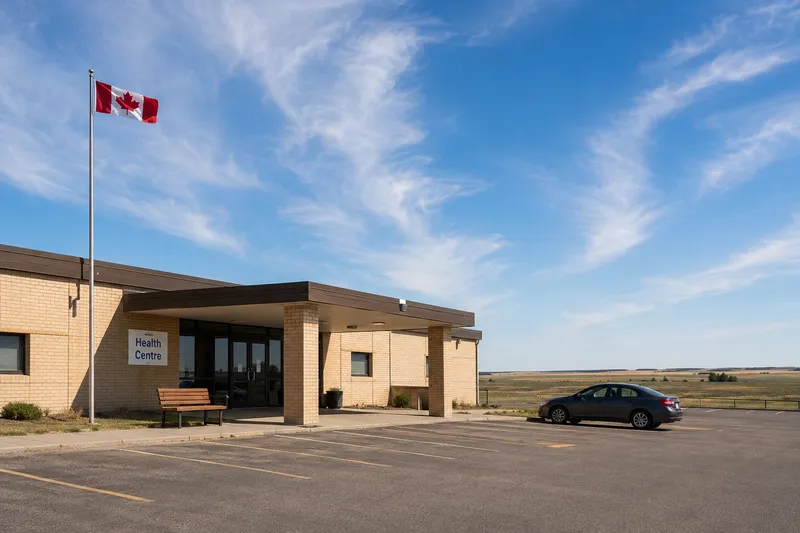
Manitoba’s new nurse-to-patient ratio law passed last week was the easy half. The harder half — putting nurses on the rural floors where the new ratios will need to be met — is now the central question for the Wab Kinew government, according to an editorial published Monday in the Brandon Sun.
The numbers the editorial cites set the scale of the implementation gap. Vacancy rates in some rural Manitoba health regions exceed 25%. In Prairie Mountain Health, they exceed 30%. More than 1,200 nursing positions in rural Manitoba alone remain unfilled — before any new ratio requirements add headcount pressure.
The structural mechanic the Brandon Sun foregrounds is the one ratio-policy designers in any jurisdiction recognise. Unfilled positions push more work onto the nurses who stay; heavier workloads drive more burnout-driven departures; departures leave more positions unfilled. The cycle compounds. Legislation that mandates ratios without simultaneously fixing the conditions that empty units does not produce staffed units — it produces unstaffed units with citation exposure.
The Nurse-Patient Ratio Subcommittee that drafted Manitoba’s recommendations did anticipate part of this problem. Its Rural and Northern Framework builds geographic flexibility into the guidelines so that regions outside Winnipeg and Brandon can realistically comply; mentorship programs to support new nurses entering rural roles are also part of the recommendation set.
But the editorial argues the framework alone will not move the vacancy rate. The province has to invest at scale in recruitment, training, and retention — and it has to do so while every other Canadian province is competing for the same graduates and the same experienced RNs willing to relocate. Competitive wages matter; working conditions, the editorial argues, matter as much.
The political signal from passing the legislation, the editorial concludes, is real: ratios are now law, and Manitoba is the first Canadian province to legislate them. Whether the law translates into bedside staffing change — or settles into the same implementation impasse that Oregon’s 2023 ratio law has produced at facilities like PeaceHealth’s RiverBend hospital — will be determined by what gets funded in the next provincial budget cycle.
Source: Brandon Sun / Winnipeg Free Press editorial board, “A first step toward boosting health care,” June 8, 2026.

Comments
Be the first to comment.
Thanks — your comment is in the queue. An editor reviews comments before they appear. If yours is on point, you'll see it here within a few hours.