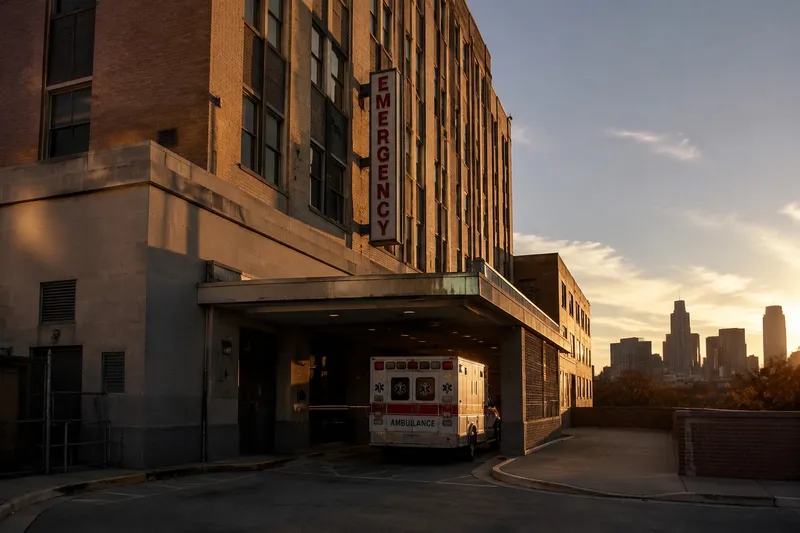
Six months after the longest nurses’ strike in New York City’s history — a January 2026 walkout by roughly 15,000 RNs across three major hospital systems that lasted more than a month — NYC’s nurse workforce is entering the World Cup surveillance period with the tournament’s surge demand layered onto a workforce that has not fully recovered.
The January strike settled with agreements that improved staffing ratios and nurse compensation, but left unresolved what nurses themselves cited as the primary driver: unsafe patient-to-nurse ratios in the affected systems’ acute-care units. Whether the post-settlement ratios are being implemented and enforced six months later is a question that will be answered in real time over the next six weeks.
Eight World Cup matches at MetLife Stadium begin June 14. Predictable surge categories for NYC emergency departments include: heat illness in international visitors unacclimatized to Northeast summer humidity; alcohol-related presentations from large outdoor fan festivals; trauma from crowd environments; and — the category infectious-disease specialists are watching most closely — fever-and-rash presentations in unvaccinated international visitors that require immediate triage, isolation, and testing for measles, dengue, and other travel-associated infections.
NYC Health + Hospitals’ safety-net facilities — Bellevue, Lincoln, Kings County, Elmhurst — are the institutions that will absorb most of the public-payer World Cup load, as they did during the COVID surge and through the January strike. CEO Dr. Mitchell Katz, whose April 2026 statement that the system was “ready to replace radiologists with AI” generated immediate pushback among the system’s clinicians, has confirmed the system is prepared. The nurses who will execute the preparation are the ones being asked to take that on faith.
The clinical literature on what understaffing costs is well-developed. The landmark Aiken et al. Pennsylvania study established that each additional patient assigned to a nurse is associated with a 7% increase in 30-day patient mortality. A 2026 American Nurses Association workforce survey found 62% of U.S. nurses report burnout symptoms at least occasionally — well above pre-COVID baseline, modestly below pandemic peak. The travel-nurse supply that NYC systems leaned on during the pandemic to bridge surge demand is tighter than it was, narrowing the contingency-staffing margin.
If the strike settlement’s ratios hold under the World Cup load, the next six weeks will be a data point for the union framing: that working conditions, not nurse supply, were the binding constraint. If they don’’t, the period will produce a quieter set of outcomes — adverse-event rates, mortality figures, retention numbers — that will show up in NYC’s hospital outcome databases by autumn.
Source: Medical Daily, “New York City’s Nurses Just Finished the Longest Strike in City History — Now the World Cup Adds a Disease Surge to the Hospital System That’s Still Recovering,” by Dorothy Brooks, June 8, 2026.
Comments
Be the first to comment.
Thanks — your comment is in the queue. An editor reviews comments before they appear. If yours is on point, you'll see it here within a few hours.