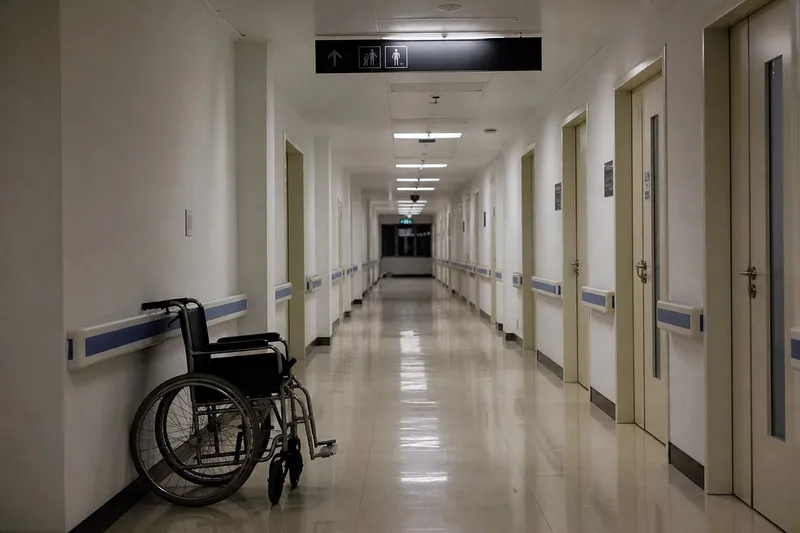
Taiwan’s accelerated nurse-to-patient ratio mandate, due to take effect in May 2027, was billed as a turning point for the chronically overstretched profession. In an op-ed published this weekend in the Taipei Times, Chang Gung Memorial Hospital dermatologist and assistant professor Dr. Lu Chun-wei argues hospitals are already preparing the workaround that will defeat it: “same-day surgeries.”
The mechanic is straightforward. Under the new ratios, hospitals have to staff their wards with more nurses per occupied bed. Sending more surgical patients home the same day — instead of keeping them overnight for pain management, bleeding and infection monitoring, and vitals tracking — drops the occupied-bed count and makes the ratio look better without changing how many nurses the hospital actually employs.
Same-day surgery is appropriate for some patients, Dr. Lu writes, but only with clear screening standards, ER-return and readmission tracking, post-discharge care, and side-effect monitoring. Otherwise, the policy shifts care load from wards onto ERs, clinics, and families.
Dr. Lu calls the pattern “chessboard governance” — policymakers move a piece (ratios), hospitals counter with a piece of their own (discharge policy), the board looks tidier, and care need remains unmet. He cites the precedent of government-designated weekend-and-holiday urgent-care centres, which were meant to relieve ER overcrowding but never addressed bed shortages, nurse losses, or the long-term-care-to-social-welfare disconnect.
The op-ed’s structural point is the one ratio-policy designers in any jurisdiction will recognise: a ratio mandate without working-condition investment — pay, staffing depth, reduced administrative load, workplace-violence protection — produces coping strategies, not retention. “If healthcare authorities only require hospitals to meet targets without investing sufficient resources to improve working conditions,” Dr. Lu writes, “hospitals would naturally develop their own coping strategies.”
Source: Lu Chun-wei, “The nurses are starting to flee,” Taipei Times Editorial & Opinion, June 6, 2026, translated by Gilda Knox Streader.



Comments
Be the first to comment.
Thanks — your comment is in the queue. An editor reviews comments before they appear. If yours is on point, you'll see it here within a few hours.